Phlebology
Warsaw City Center
About Phlebology
"
"Your legs carry you throughout your life – take care of them before it's too late."
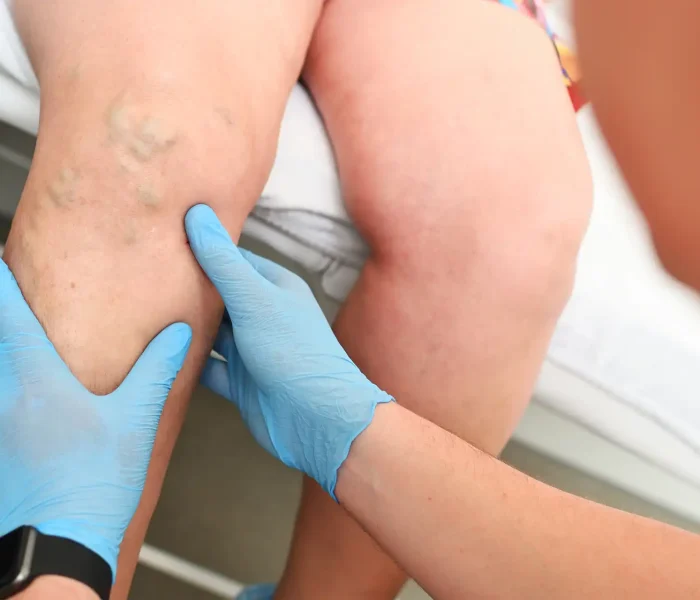
Phlebology is a branch of medicine that deals with the diagnosis and treatment of diseases of the veins, mainly of the lower limbs. The most common diseases that phlebologists deal with include varicose veins, thrombosis, or leg ulcers. These diseases not only affect aesthetics, but also the health of patients, and can lead to serious complications if not treated properly.
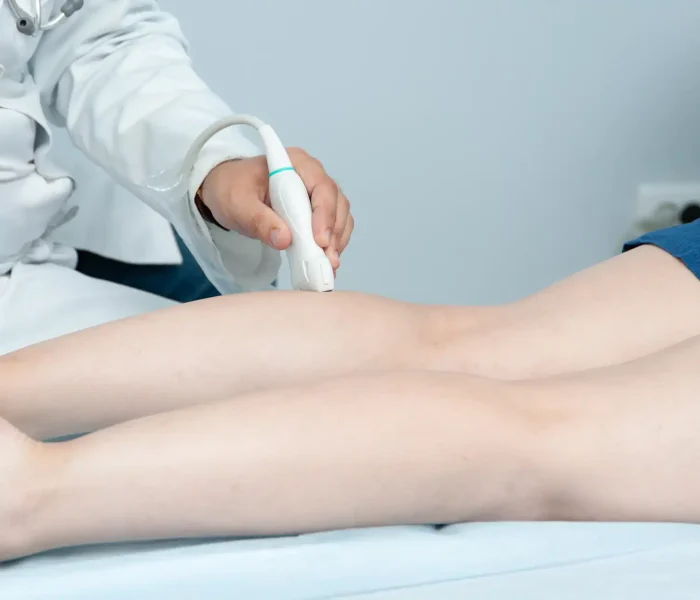
A phlebologist performs detailed diagnostics, including Doppler ultrasound, which allows for the assessment of blood flow in the veins and the detection of possible clots. Treatment can include both conservative methods, such as compression therapy, and more advanced procedures, such as sclerotherapy or surgery.
What do we treat?
- Żylaki kończyn dolnych
- Żylaki
- Zmiany skórne
- Przepuklina
- Choroby chirurgiczne
- Znamiona
- Zakrzepica żylna
- Kamica żółciowa
- Blizny
- Miażdżyca
- Brodawki
- Otyłość
- Nadciśnienie tętnicze
- Choroby tarczycy
- Bóle kręgosłupa
- Hemoroidy
- Bóle brzucha
- Choroby skóry
- Zespół cieśni nadgarstka
- Owrzodzenia podudzi
Sclerotherapy
Sclerotherapy is a popular method of treating varicose veins and spider veins. The procedure involves injecting a special chemical agent into the affected vein, which causes it to close and gradually be absorbed by the body. It is a minimally invasive method, usually well tolerated by patients and does not require a long recovery period. Sclerotherapy is particularly effective for small venous lesions such as spider veins, as well as larger varicose veins.
Doppler ultrasound
This is one of the basic diagnostic tests used in phlebology. Ultrasound allows you to assess blood flow in the veins and detect abnormalities such as varicose veins, blood clots or venous valve insufficiency. Doppler ultrasound is painless, non-invasive and provides the doctor with detailed information about the condition of the patient’s venous system, which allows for an accurate diagnosis and treatment planning
Effective support in the treatment of venous insufficiency
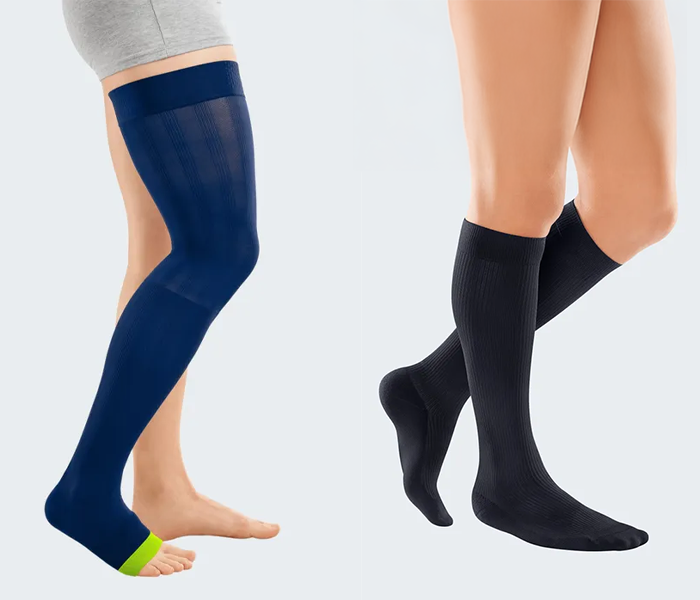
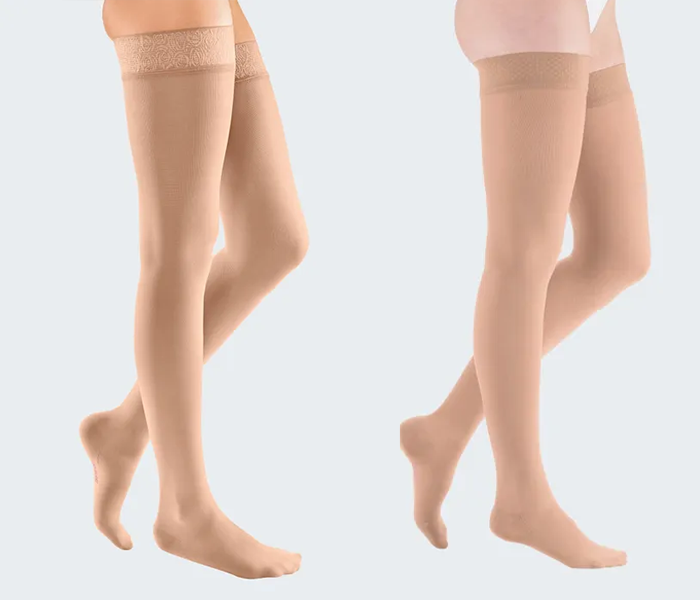
MEDI compression stockings are modern medical devices used in the prevention and treatment of venous diseases, such as chronic venous insufficiency, varicose veins, swelling or thrombosis.
Thanks to the graduated pressure – the highest in the ankle area and gradually decreasing upwards – they support proper venous blood flow, reduce swelling and the feeling of heaviness in the legs.
At LIFE Medical Center, we recommend MEDI stockings as part of comprehensive phlebological treatment – both after treatments and in daily prevention.
Why choose medi stockings?
✔ precisely selected therapeutic compression (various compression classes),
✔ high wearing comfort and modern materials,
✔ aesthetic appearance – various colors and finishes,
✔ availability of versions with open or closed fingers,
✔ durability and efficacy clinically proven.
Choosing the right model and compression class should be done under the supervision of a phlebologist – our specialists will help you choose the right solution.
Take care of your leg health with MEDI – ask about compression stockings during your phlebology appointment at Life Medical Center.
Interdisciplinary approach
Our team uses a holistic approach, working with other medical professionals to provide you with comprehensive healthcare.
This allows us to diagnose your problems effectively and quickly, develop a clear treatment plan and provide optimal care tailored to your individual needs.


Questions and answers about sclerotherapy
What is sclerotherapy and how does it work?
Sclerotherapy is a modern, minimally invasive method of treating varicose veins and spider veins. The procedure involves injecting a special obliterating agent into the affected vessels, which leads to their closure and gradual absorption by the body. As a result, blood is redirected to healthy veins, and unsightly vascular lesions gradually disappear. Sclerotherapy is a safe and effective solution used for both aesthetic and health purposes.
What diseases can be treated with sclerotherapy?
Sclerotherapy is used in the treatment of spider veins, telangiectasia and small and medium-sized varicose veins of the lower limbs. It can also be used for certain vascular malformations that require the closure of improperly functioning vessels. This treatment improves the appearance of the skin and circulation, reducing swelling and the feeling of heaviness in the legs. However, it is not effective for large varicose veins, which may require more advanced treatments.
How does sclerotherapy compare to laser therapy?
Sclerotherapy is more effective in treating larger veins because the sclerotherapy agent reaches deeper and closes the vessels from the inside. Laser therapy, on the other hand, works mainly for very small vessels and spider veins, especially on the face. Both methods can be used as a supplement, depending on the extent of vascular lesions. The choice of the right therapy depends on the size, location and severity of the vascular problem.
How long does sclerotherapy take?
A single sclerotherapy session usually lasts between 15 and 45 minutes, depending on the number and size of the vessels being treated. The procedure takes place on an outpatient basis, without the need for hospitalization or long convalescence. The patient can almost immediately return to daily activities, which makes this treatment a convenient solution for active people. In some cases, however, it is recommended to avoid intense physical exercise for several days.
Is sclerotherapy painful?
The sclerotherapy procedure is well tolerated by most patients, and the level of discomfort is minimal. Some people may feel a slight burning or stinging sensation at the injection site, but this only lasts a few seconds. Since it does not require anesthesia, the procedure is quick and not burdensome. Sensitivity to pain is individual, but sclerotherapy is considered one of the most comfortable treatments for varicose veins.
How many sclerotherapy sessions do you need to get results?
The number of sessions required depends on the size and number of vessels being treated and the individual response of the body. Usually, one to three sessions are needed for the same area, performed at intervals of several weeks. Each subsequent session allows you to gradually reduce the visibility of the vessels and improve the aesthetics of the skin. The full effects of the therapy can usually be assessed after a few months.
How long do the effects of sclerotherapy last?
Closed and absorbed by the body, the vessels do not regenerate, which means that the treated veins do not return. However, sclerotherapy does not prevent the formation of new lesions, so additional treatments may be necessary in the future. Long-term effects can be maintained by taking care of a healthy lifestyle, regular physical activity and vascular prophylaxis. In some cases, it is recommended to wear compression stockings to prevent the problem from returning. The maintenance of the effects also depends on individual genetic predispositions.
What are the possible side effects of sclerotherapy?
After the procedure, you may experience temporary side effects, such as minor bruising, redness or swelling at the injection site. Some patients may also develop minor skin discoloration or small hemangiomas that disappear within a few weeks. Very rarely, more serious complications such as allergic reactions or blood clots can occur, but they are extremely rare. Choosing an experienced specialist minimizes the risk of complications and ensures the safety of therapy.
What are the contraindications to sclerotherapy?
Sclerotherapy is not recommended for people with active deep vein thrombosis, blood clotting disorders and severe cardiovascular diseases. The procedure is also not recommended during pregnancy and breastfeeding, as hormonal changes can affect the effectiveness of the treatment. Before the procedure, a medical consultation is necessary to rule out possible contraindications. Patients with chronic diseases should discuss therapy with their treating physician.
How long does it take to recover after sclerotherapy?
Most patients can return to normal activities immediately after the procedure, but it takes several weeks for the vessels to fully regenerate. For the first days after sclerotherapy, it is recommended to wear compression stockings to support the healing process and improve the results. Avoid intense physical exertion, hot baths and prolonged standing or sitting in one position. The full results of the therapy become visible after a few months after the end of treatment.
```